Overlanding without a 4x4: planning a road-based UK trip
On this page
The short answer
Yes, you can plan a roof tent trip in the UK without a 4x4. Most trips use public roads and campsites, and a road-legal car can reach both. The choices that matter are the roads you pick, the ground clearance and tyres your car has, and whether a route includes single-track or steep sections.
What a road-legal car can use
The law asks for a road-legal vehicle, not a four-wheel-drive one. The Lake District National Park Authority says unsealed routes with public vehicular rights are subject to the same laws as tarmac roads, and that vehicles on them must be taxed and insured, with an MOT where appropriate. Lake District National Park Authority: unsealed roads
Off-road ability is a separate question. It's about what the ground can do to your car, not what the law allows. Whether a particular unsealed route is open to motor vehicles at all depends on its status, and the same page says taking a vehicle off a legitimate route without permission is illegal. For how these routes are classed, read green lanes explained. If you're unsure of a route's status, keep to the sealed road.
Choose roads and campsites a normal car can reach
Plan your route around sealed roads and campsites with an ordinary access road. Look at the approach to each site on a map before you book, and check the site's own directions for the last few hundred metres. A route that works for one car may not suit another, so plan for the car you actually drive. For a worked route, see the NC500 in a roof tent, and for a first trip, your first roof tent weekend.
Check ground clearance and tyres
Your car's handbook is the place to find its ground clearance and tyre specification, so check those figures there rather than guessing. Look at those figures before you drive onto a rough entrance or a steep approach. The overland vehicle prep checklist lists the rest of what to check.
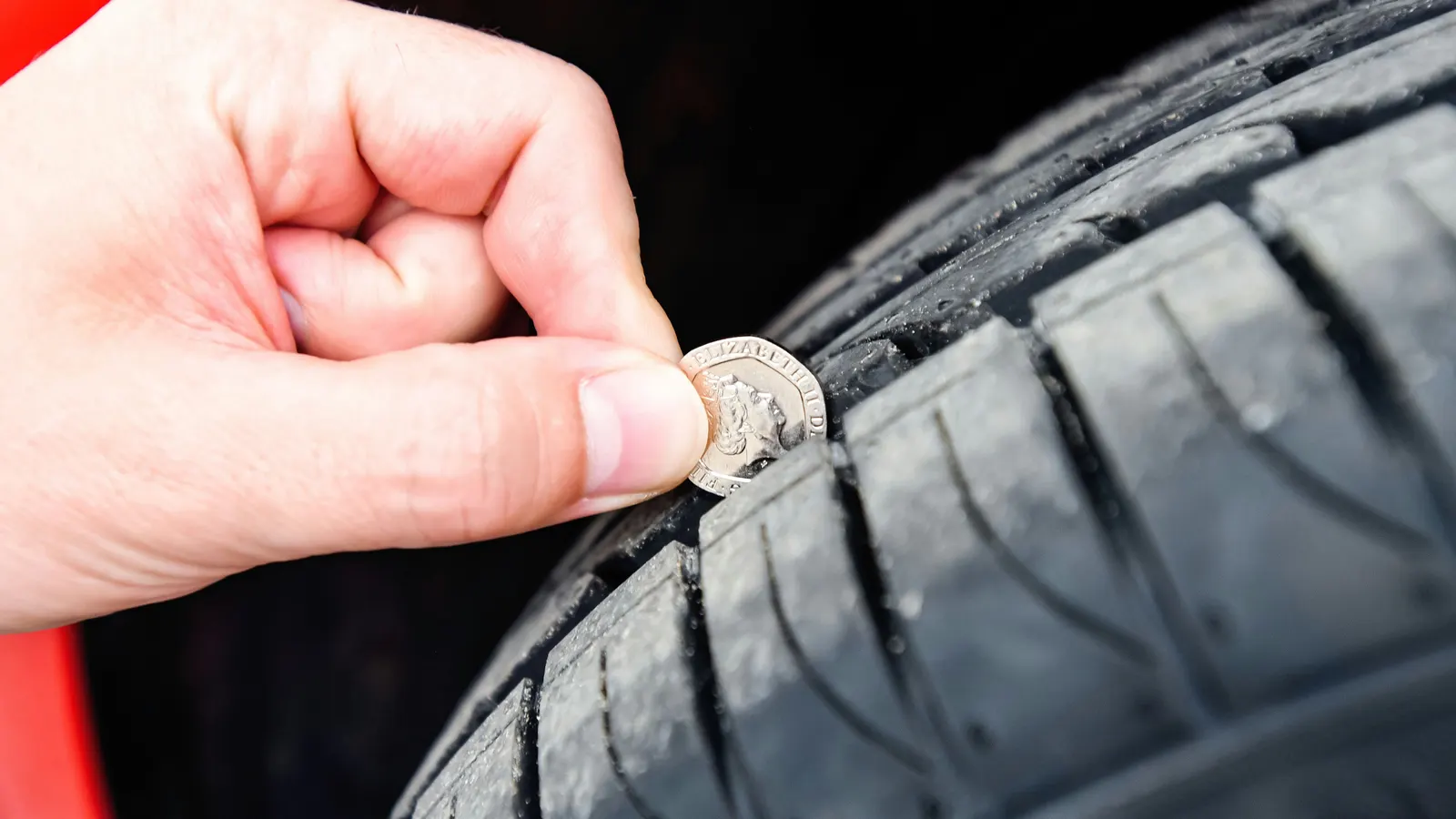
Tyres are a legal point as well as a comfort one. The Highway Code says cars need at least 1.6 mm of tread across the central three-quarters of the tread and around the whole circumference, and that tyres must be inflated to the manufacturer's specification for the load being carried. Highway Code Annex 6 says to check pressures weekly, when the tyres are cold. Before you set off, the Highway Code also says your vehicle must be legal and roadworthy, rules 89 and 97. The extra weight on the roof is covered in the roof load checker.
Plan around single-track and steep roads
Single-track roads are only wide enough for one vehicle, and the Highway Code says they may have passing places. Pull into a passing place on your left, or wait opposite one on your right, and give way to road users coming uphill whenever you can. If necessary, reverse until you reach a passing place. Rule 156 adds that you should not park in passing places. Highway Code rules 155 and 156
On long downhill slopes, the Highway Code says to select a lower gear before you reach the slope, which helps you control your speed. Highway Code rule 160 Check the gradients on your route before you leave, and pick a different road if a climb or descent looks too steep for your car or your load.
FAQs
Do I need a 4x4 for a roof tent trip in the UK?
Most trips use public roads and campsites, which a road-legal car can reach. Check the access road to each site and your car's handbook figures before you book.
Can I drive a road-legal car on an unsealed route?
Only where the route has public vehicular rights and you are allowed to drive it. The Lake District National Park Authority says vehicles must be road-legal on these routes, and that users should watch for seasonal closures and Traffic Regulation Orders. Lake District National Park Authority: unsealed roads
Do single-track roads always have passing places?
No. The Highway Code says single-track roads "may have special passing places", so you should not count on one being there. Highway Code rule 155
What tread depth do car tyres need?
The Highway Code says cars need at least 1.6 mm of tread across the central three-quarters of the tread and around the whole circumference. Highway Code Annex 6
Next: check your car before you book
Work through the overland vehicle prep checklist to confirm your car's clearance, tyres and roof load before you commit to a route.
More in Vehicle prep
Sources
- Highway Code rules 155 and 156: single-track roads, passing places, giving way to uphill traffic, not parking in passing places (checked )
- Highway Code rule 160: select a lower gear before a long downhill slope to control your speed (checked )
- Highway Code rules 89 and 97: vehicle must meet the construction and use requirements and be legal and roadworthy before you set off (checked )
- Highway Code Annex 6: cars need at least 1.6 mm of tread; tyres inflated to the manufacturer's specification for the load, checked weekly when cold (checked )
- Lake District National Park Authority: unsealed routes with public vehicular rights follow the same laws as tarmac roads, vehicles must be road-legal, and users should watch for seasonal closures and TROs (checked )